Reload Bonuses on Baji: Free Money or a Slow Leak? We Ran the Numbers
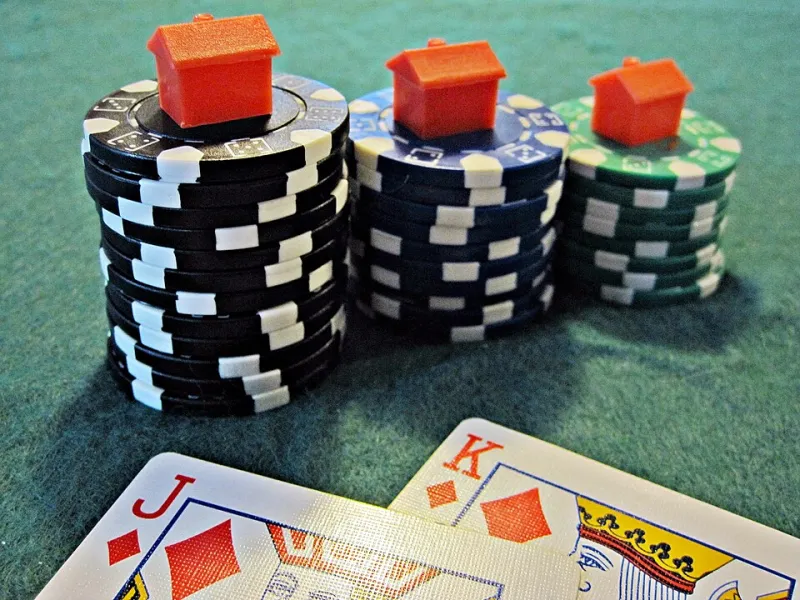
Photo: Images Money, CC BY 2.0, via Wikimedia Commons
Welcome bonuses get all the attention. They're the neon sign in the window, the reason you sign up in the first place. But reload bonuses are the ones that follow you home — the recurring deposit matches that show up week after week, quietly asking if you'd like to add a little more to your account.
And that's exactly where things get interesting. Because a reload bonus can be a genuine cushion for a disciplined player, or it can be a nudge that keeps you topping up past the point you'd planned. Same offer. Two very different outcomes. The difference isn't the bonus — it's how you use it.
What a Reload Bonus Actually Is (and Isn't)
A reload bonus is a deposit match offered to existing players, usually somewhere between 25% and 50% up to a capped amount. Think of it as the casino's way of saying "thanks for coming back" — with strings attached, of course.
Those strings matter. Wagering requirements on reloads are often higher than on welcome offers, game contribution rates vary wildly (slots usually count 100%, live tables far less), and some reloads come with max bet caps that can void your winnings if you blow past them. None of this is hidden, exactly. It's just that nobody reads it while the deposit button is glowing.
The honest framing: a reload bonus is a discount on entertainment, not a profit engine. Treat it like a coupon and it can be great. Treat it like income and you're in trouble.
Three Players, One Month, Very Different Results
Let's watch how this plays out with three fictional regulars, each funding their Baji account over a four-week stretch.
The Weekend Warrior — Marcus. Marcus deposits $100 every Friday, plays slots Saturday morning with his coffee, and logs off. His reload offer: 50% up to $50, 20x wagering on the bonus amount.
Over four weeks, Marcus takes four reloads. That's $200 in bonus money total, with $4,000 in total wagering required before any of it unlocks. At a 96% RTP slot, expected loss on that much play is roughly $160 — meaning his $200 in bonuses nets out to about $40 in expected value per month. Not life-changing, but real. Marcus deposits what he budgeted, plays what he enjoys, and the reload pads his session instead of inflating it.
The Daily Depositor — Priya. Priya loves the ritual. A $20 deposit most days, a quick session on live dealer blackjack or a few spins after work. She takes nearly every reload offered — say 20 deposits in the month, averaging maybe $15 in bonus each after caps and opt-in terms.
Here's the problem: small deposits often fall below reload minimums or trigger only partial matches, and her frequent play on low-contribution live games means wagering requirements crawl. Her expected value from bonuses lands around $30–50 for the month — but her total deposits are $400, double what she'd budgeted before the reloads started. The bonus didn't cost her money directly, but it normalized depositing as a daily habit rather than a planned one. That's the subtle trap.
The Bonus Chaser — Derek. Derek reads every promo email. He times deposits to match reload windows, maxes out every offer, and plays high-volatility slots to burn through wagering fast. His month looks great on paper: $250 in bonuses claimed.
But chasing caps means depositing the full trigger amount every time — $100 deposits to grab a $50 match, even mid-week when he hadn't planned to play. His total outlay: $600. One cold streak on a volatile slot and he's down $400 real dollars while sitting on locked bonus funds he can't withdraw. Derek's expected value might even be positive on paper, but his variance is brutal, and his deposits stopped being tied to play sessions and started being tied to offers. That inversion is where bankrolls go to die.
So Which Is It — Net or Trap?
The pattern in those three profiles is pretty clear. The reload bonus rewarded exactly one behavior: depositing on a schedule you already chose, for an amount you already budgeted, and treating the match as a side dish.
It punished two behaviors — depositing by habit, and depositing to unlock offers. Both of those flip the relationship. Instead of the bonus serving your play, your play starts serving the bonus.
A Simple Test Before You Click Deposit
Before taking any reload on Baji, run it through four quick questions:
- Was I depositing today anyway? If no, the bonus just wrote your to-do list. Skip it.
- Is the match size meaningful relative to my deposit? A 10% match on $20 is a rounding error. A 50% match up to $50 on your regular deposit is worth the wagering.
- Can I clear the wagering playing games I actually like? If the requirements force you into games you'd never otherwise touch, the "bonus" is a detour, not a gift.
- Would I be fine if the bonus money vanished entirely? Because that's the right mental model. It's house money that usually stays at the house.
If you answer yes to all four, take the reload and enjoy the extra runway. If you hesitate on any of them, declining costs you nothing. The offer will be there next week — that's literally the point of a reload.
The Bottom Line
Reload bonuses aren't good or evil. They're a tool that amplifies whatever habits you bring to the table. Marcus's steady routine turned them into a modest monthly perk. Priya and Derek let the offers set the pace, and the math drifted out of their favor even when the bonuses technically "paid."
The house always has an edge on the games. Don't let the promotions add an edge to your deposit schedule, too.